What to Know Before Buying Your First Motorcycle

Embarking on the adventure of owning a motorcycle is an exciting journey that promises freedom, exhilaration, and a new way to experience the open road. However, before you start revving up, it’s crucial to gather some insights to ensure a smooth ride into motorcycle ownership. Here’s a comprehensive guide on what to know before buying your first bike, complete with essential first motorcycle buying tips.
Understand Your Riding Needs
Before you even think about choosing your first bike, consider what you need from a motorcycle. Are you looking for a sporty ride, a touring bike for long-distance travel, or perhaps something more versatile for city commuting? Each type of motorcycle serves different purposes, and understanding your primary use will guide you toward the right choice.
Key Considerations:
- Purpose: Determine if you want a motorcycle for daily commuting, weekend joyrides, or long-distance travel.
- Experience Level: Your riding experience should influence your choice. Beginners typically benefit from bikes that are easier to handle and less powerful.
Research and Set a Budget
Beginner’s motorcycle guide often emphasizes the importance of setting a budget. Motorcycle prices can vary widely depending on the brand, model, and features. It’s vital to establish a budget that includes not just the cost of the bike, but also additional expenses such as insurance, gear, maintenance, and any necessary modifications.
Budget Breakdown:
- Purchase Price: New bikes are more expensive, but used ones can offer significant savings.
- Insurance: Motorcycle insurance is a crucial expense, and rates can vary based on the bike and your riding history.
- Gear and Accessories: Safety gear like helmets, gloves, and jackets are essential. Don’t forget to factor in these costs.
Choose the Right Type of Motorcycle
Motorcycles come in various styles, each suited to different types of riding. Understanding these types will help you make an informed decision.
Motorcycle Types:
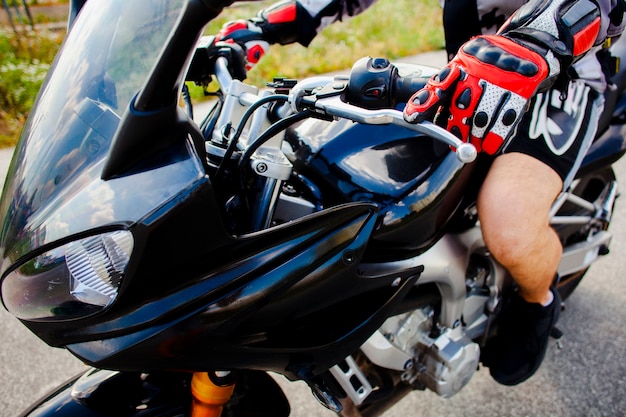
- Sport Bikes: Known for their speed and agility, ideal for those who enjoy a high-performance ride.
- Cruisers: Offer a more relaxed riding position, perfect for long rides and easy handling.
- Touring Bikes: Designed for comfort on long journeys, equipped with features for extended travel.
- Dual-Sport Bikes: Versatile for both on-road and off-road adventures.
Assessing the Motorcycle’s Condition
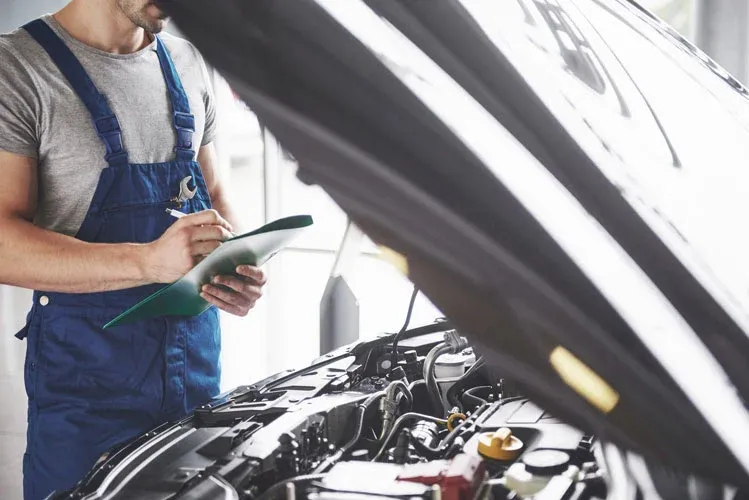
If you’re leaning towards a used motorcycle, a thorough inspection is crucial. Check for signs of wear and tear, and make sure the bike has been well-maintained.
Inspection Checklist:
- Mileage: Lower mileage usually indicates less wear.
- Maintenance Records: Look for proof of regular servicing and any repairs.
- Physical Condition: Examine the bike for rust, scratches, and any potential damage.
- Test Ride: A test ride is essential to assess how the bike handles and to check for any mechanical issues.
Safety and Training
Riding a motorcycle requires more than just purchasing the right bike; safety is paramount. Many new riders benefit from taking a motorcycle safety course, which can provide valuable skills and confidence.
Safety Tips:
- Safety Gear: Invest in high-quality safety gear including a helmet, gloves, and protective clothing.
- Training: Enroll in a motorcycle safety course to learn the basics of safe riding and handling.
- License: Ensure you obtain the proper motorcycle license for your area, which often involves both written and practical tests.
Long-Term Costs and Maintenance
Owning a motorcycle involves ongoing costs beyond the initial purchase. Understanding these costs can help you budget more effectively and ensure your bike remains in good condition.
Ongoing Expenses:
- Fuel: Motorcycles generally have better fuel efficiency than cars, but consider how often you’ll be refueling.
- Maintenance: Regular maintenance is crucial to keep your bike running smoothly. Factor in costs for oil changes, tire replacements, and other routine upkeep.
- Insurance: As mentioned earlier, motorcycle insurance is a recurring cost that varies based on your bike and riding habits.
Make an Informed Decision
With all the information in hand, take your time to make a well-informed decision. Don’t rush into buying the first motorcycle you see. Research different models, compare prices, and consult with experienced riders if needed.
Final Tips:
- Read Reviews: Look for reviews and ratings of different motorcycle models to gauge their performance and reliability.
- Consult Experts: Speak with motorcycle dealers or experienced riders for additional insights and advice.
Conclusion
Buying your first motorcycle is a thrilling experience that requires careful consideration and preparation. By following these first motorcycle buying tips, you’ll be better equipped to make an informed decision and enjoy your new ride with confidence. Remember, the journey begins with knowledge, and with the right preparation, you’ll be well on your way to hitting the open road on your perfect bike.