
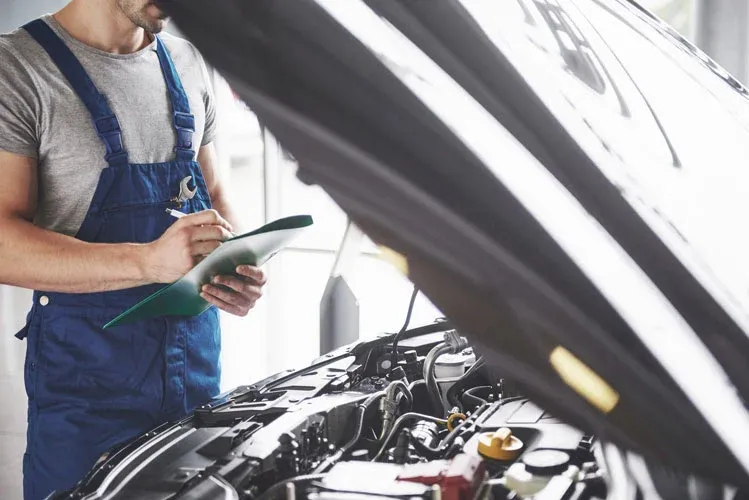
Accidents and minor collisions are stressful, but knowing what happens during an auto body repair can make the process less intimidating. Modern auto body shops follow a systematic, step-by-step approach to restore your vehicle to its original condition—both in appearance and safety.
Step 1: Vehicle Inspection and Damage Assessment
The first step is a comprehensive inspection. Technicians evaluate the extent of damage to both visible areas and hidden structural components. This step often includes:
- Examining dents, scratches, and panel misalignment
- Checking for frame, suspension, or mechanical damage
- Documenting damage for insurance purposes
- Providing a detailed repair estimate
Step 2: Disassembly and Hidden Damage Detection
Before repairs begin, affected parts are removed to reveal any hidden damage. This ensures that all structural and mechanical issues are addressed, not just cosmetic ones.
- Remove damaged panels, bumpers, or trim
- Inspect the underlying frame and components
- Identify additional repairs needed
Step 3: Structural and Frame Repair
A vehicle’s frame and structure are critical for safety. Technicians use frame-straightening equipment and other tools to restore factory specifications.
- Pull out dents and realign the frame
- Replace or repair damaged panels
- Ensure proper fit and structural integrity
Step 4: Surface Preparation and Painting
Once the frame and body are repaired, the car’s surface is prepared for paint. This involves sanding, priming, and using advanced paint matching technology to ensure the repaired area blends seamlessly with the original color.
- Sand and smooth repaired areas
- Apply primer
- Use spectrophotometers for precise color matching
- Apply paint and protective clear coat
Step 5: Reassembly
After the paint has dried and cured, all previously removed components are reinstalled. Proper reassembly ensures that all parts fit correctly and function as intended.
- Reinstall panels, trim, and lights
- Verify alignment and operation of all components
- Check for any remaining cosmetic imperfections
Step 6: Final Quality Check
Before returning the vehicle, a thorough quality inspection is performed. This may include:
- Visual inspection of paint and finish
- Verification of structural repairs
- Test drive to ensure proper handling and mechanical performance
Step 7: Customer Handover
Finally, the vehicle is cleaned and delivered back to the owner. Technicians explain the work performed and answer any questions, providing confidence that the vehicle is safe and fully restored.
Final Thoughts
Auto body repair is more than just fixing dents and scratches—it’s a careful, structured process designed to restore both the appearance and safety of your vehicle. By understanding each step, car owners can feel more confident in the repair process and the quality of work their auto body shop provides.


More Stories
Tesla’s Latest Innovation: How AI is Revolutionizing Self-Driving Cars
The Future of Industry: Top Trends Shaping 2025 and Beyond
Revolutionizing the Road: The Latest Vehicle Updates You Can’t Miss