
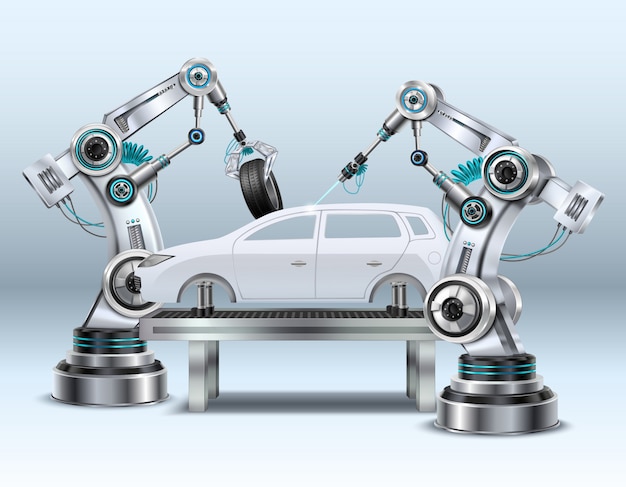
The automotive industry is in a state of exhilarating transformation, driven by rapid technological advancements and shifting consumer preferences. From electric vehicles to autonomous driving, there is a flurry of activity influencing the future of transportation. Here’s a closer look at what’s shaping the automotive industry today, highlighting the current auto industry trends and the industry changes and updates that are making headlines.
The Electric Revolution
One of the most significant trends shaping the automotive industry is the rise of electric vehicles (EVs). With increasing concerns over climate change and the push for greener technologies, EVs are quickly becoming mainstream. Automakers like Tesla, Rivian, and Lucid Motors are leading the charge, delivering vehicles that offer impressive ranges, rapid charging capabilities, and cutting-edge technology.
Today’s automotive news is buzzing with developments in battery technology. Solid-state batteries, which promise greater energy density and faster charging times compared to traditional lithium-ion batteries, are on the verge of commercialization. This innovation could dramatically enhance the performance and adoption of electric vehicles, making them more accessible and practical for everyday use.
Autonomous Driving: The Future is Here
Another major trend is the advancement of autonomous driving technology. Self-driving cars are no longer a distant dream; they are becoming a reality with each passing year. Companies like Waymo, Cruise, and Aurora are at the forefront, developing sophisticated systems that aim to make driving safer and more efficient.
The latest updates reveal that autonomous driving technology is progressing from controlled environments to real-world applications. For instance, Waymo has expanded its autonomous taxi services to new cities, offering residents the chance to experience fully driverless rides. These developments are not only showcasing the potential of autonomous driving but also highlighting the regulatory and safety considerations that come with it.
Connected Cars: The Era of Smart Mobility
Current auto industry trends also point towards the increasing integration of connectivity in vehicles. Modern cars are equipped with advanced infotainment systems, allowing for seamless integration with smartphones, real-time traffic updates, and over-the-air software updates. The advent of 5G technology promises to further enhance these capabilities, enabling faster data transfer and more reliable vehicle-to-everything (V2X) communication.
The rise of connected cars is transforming the driving experience, making it more interactive and data-driven. For example, vehicles equipped with advanced connectivity features can offer personalized driving experiences, improved navigation, and even predictive maintenance alerts. This shift towards smart mobility is set to redefine how we interact with our vehicles and manage our journeys.
Sustainable Manufacturing Practices
As environmental concerns continue to grow, the automotive industry is embracing more sustainable manufacturing practices. Automakers are focusing on reducing their carbon footprint by using renewable energy sources, recycling materials, and improving the efficiency of their production processes.
Industry changes and updates highlight the increasing use of eco-friendly materials in vehicle production. Manufacturers like BMW and Volvo are leading the way with initiatives that promote the use of recycled plastics and sustainable resources. Additionally, the concept of a circular economy is gaining traction, encouraging the design of vehicles and components that are easier to recycle and reuse.
The Rise of Subscription Models
In response to changing consumer preferences, the automotive industry is also exploring new ownership models. Subscription-based services are gaining popularity, offering customers flexibility and convenience. Companies like Care by Volvo and Porsche Passport provide access to a range of vehicles with a single monthly fee, allowing users to switch between models based on their needs.
This innovative approach addresses several traditional pain points of car ownership, such as maintenance costs and long-term commitments. Subscription models are particularly appealing to younger consumers who value flexibility and are looking for alternatives to conventional leasing and purchasing options.
Artificial Intelligence and Machine Learning
Artificial Intelligence (AI) and machine learning are playing an increasingly important role in the automotive sector. These technologies are being used to enhance everything from vehicle safety systems to manufacturing processes. AI-powered systems can analyze vast amounts of data to improve vehicle performance, predict maintenance needs, and personalize the driving experience.
For example, AI is being utilized in advanced driver assistance systems (ADAS) to provide features such as lane-keeping assist and adaptive cruise control. These innovations are making vehicles smarter and paving the way for future advancements in autonomous driving and connected vehicle technologies.
Conclusion
The automotive industry is undergoing a remarkable transformation, driven by technological advancements and evolving consumer preferences. From the rise of electric vehicles and autonomous driving to the integration of AI and sustainable manufacturing practices, current auto industry trends are reshaping the way we think about transportation. Staying informed about today’s automotive news and the industry changes and updates will ensure that you’re always ahead of the curve, ready to embrace the future of driving. As these trends continue to develop, the road ahead promises to be both exciting and transformative.


More Stories
Tesla’s Latest Innovation: How AI is Revolutionizing Self-Driving Cars
The Future of Industry: Top Trends Shaping 2025 and Beyond
Revolutionizing the Road: The Latest Vehicle Updates You Can’t Miss