
CVT Transmission Repair Costs: What to Expect when it comes to the longevity and performance of your vehicle, one of the most important components is the transmission. Among the many types of transmissions available today, the continuously variable transmission (CVT) has gained popularity for its smooth shifting and fuel efficiency. However, like all car parts, CVTs can eventually require repairs or replacement, leading to concerns about CVT transmission repair costs.
CVT transmissions offer a unique driving experience, but they come with their own set of challenges. If you’re facing the possibility of a CVT issue, you might be wondering how much it will cost to repair or replace it. The truth is that CVT transmission repair costs can vary significantly depending on several factors, such as the make and model of your vehicle, the extent of the damage, and whether you’re dealing with a minor fix or a full replacement.
In this article, we’ll explore everything you need to know about CVT transmission repair costs, including the typical expenses involved, the factors that affect these costs, and some tips on how to manage them. Whether you’re dealing with a sluggish shift, strange noises, or a complete transmission failure, understanding these costs will help you make informed decisions.
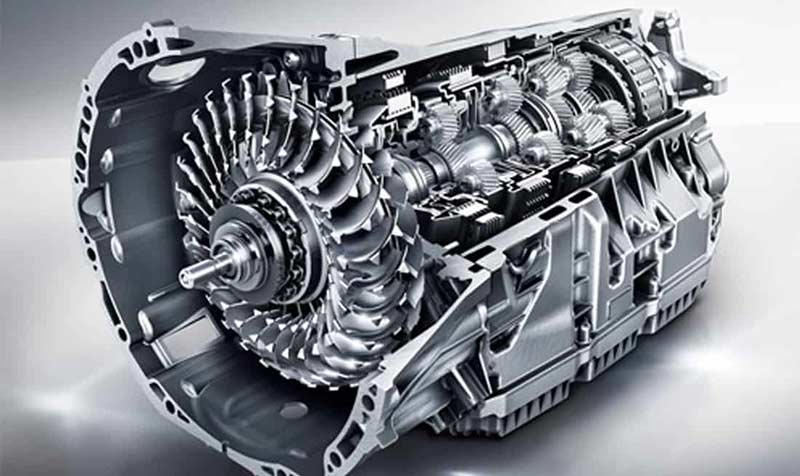
Understanding CVT Transmissions: A Quick Overview
Before diving into the costs, it’s helpful to understand what a CVT transmission is and why it might require repair. Unlike traditional automatic or manual transmissions, which use a set number of gears, a CVT is designed to provide an infinite number of gear ratios. This allows the engine to operate at the most efficient RPM, improving fuel economy and providing a smoother driving experience.
CVTs use a system of pulleys and a belt or chain to create the necessary changes in gear ratios. The lack of distinct gear shifts contributes to the smooth driving feel and improved fuel efficiency, which makes CVTs a popular choice in modern vehicles, particularly in compact cars, hybrids, and some SUVs.
However, the complexity of the system means that when something goes wrong, it can lead to costly repairs. CVT transmission repair costs can sometimes be higher than traditional transmissions, depending on the issue at hand.
Common CVT Problems and Their Repair Costs
CVTs are generally reliable, but like any automotive component, they can experience wear and tear over time. Below are some common CVT issues and their associated CVT transmission repair costs.
1. Slipping Transmission
A common issue with CVTs is slipping, where the vehicle may hesitate to accelerate, or the engine revs without the corresponding increase in speed. Slipping can occur due to a variety of reasons, including low fluid levels, damaged pulleys, or a worn-out belt.
Repair Costs:
- Minor Fix (Fluid Change or Top-Off): If the problem is due to low fluid levels, the repair could be relatively inexpensive. The cost of changing CVT fluid generally ranges from $100 to $200.
- Moderate Fix (Belt or Pulley Replacement): If the issue is related to worn belts or damaged pulleys, the cost can increase. Replacing a CVT belt can range from $500 to $1,000 depending on the make and model.
2. Overheating
CVTs are more prone to overheating compared to traditional transmissions. Overheating can occur if the transmission fluid becomes contaminated or degraded, preventing the system from functioning properly. Prolonged overheating can cause the internal components of the CVT to wear out prematurely.
Repair Costs:
- Fluid Flush and Replacement: If the overheating issue is due to fluid problems, a flush and replacement of the CVT fluid will typically cost between $150 and $250.
- Internal Component Replacement: If the overheating has caused internal damage, such as to the pulleys or belt, you could be looking at repair costs of $1,000 to $3,000, depending on the severity of the issue and the vehicle’s make.
3. Strange Noises
If your CVT starts making whining, grinding, or buzzing noises, it could indicate a problem with the belt or pulleys. These noises are often the result of worn-out or damaged components, such as the CVT belt, bearings, or chain.
Repair Costs:
- Minor Fix (Fluid Change or Tension Adjustment): If the noise is caused by insufficient fluid or improper tension, the repair might cost between $150 and $400.
- Major Fix (Component Replacement): If the issue is more severe, such as a damaged belt or pulley, the cost of replacing these parts can range from $800 to $2,500.
4. Poor Acceleration
Another common issue with CVTs is poor acceleration. This can happen when the transmission fails to properly adjust to the power needs of the engine, leading to a sluggish response when you press the accelerator.
Repair Costs:
- Minor Fix (Fluid Replacement or Reset): Sometimes, poor acceleration can be caused by low fluid levels or a malfunction in the transmission control module. In such cases, the repair cost can range from $150 to $500.
- Major Fix (Sensor or Belt Replacement): If the problem lies in the transmission belt or a faulty sensor, the repair costs could escalate to between $1,000 and $2,000.
5. Complete Transmission Failure
In some cases, CVTs can experience total failure, where the transmission stops working altogether. This is often the result of severe internal damage, such as a broken belt or pulley system. A complete CVT failure is one of the most costly problems you can face.
Repair Costs:
- Transmission Rebuild: A transmission rebuild involves disassembling the CVT, replacing damaged parts, and reassembling it. The cost for a CVT rebuild typically ranges from $1,500 to $4,000.
- Transmission Replacement: In extreme cases where rebuilding is not feasible, replacing the entire transmission can be the only option. The cost of a CVT replacement can range from $4,000 to $8,000 depending on the vehicle and the labor involved.
Factors Affecting CVT Transmission Repair Costs
Several factors can influence the overall cost of CVT transmission repair costs. Below are some of the most significant ones to consider:
1. Vehicle Make and Model
The make and model of your vehicle play a significant role in determining the cost of repairs. Luxury brands or vehicles with complex CVT systems may require more expensive parts and labor. For example, a CVT repair on a Nissan Altima may cost less than on a Subaru Outback due to differences in transmission design and complexity.
2. Labor Costs
Labor costs can vary greatly depending on where you live and the shop you visit. In metropolitan areas or regions with higher living costs, labor rates tend to be higher. On average, labor rates for CVT repairs range from $75 to $150 per hour, depending on the mechanic’s expertise and location.
3. Extent of the Damage
The extent of the damage to your CVT transmission will directly impact the cost. If only a minor repair, such as a fluid change, is needed, the costs will be relatively low. However, if you require a full transmission replacement, the costs can soar. It’s essential to have a professional diagnose the problem accurately to determine whether a simple fix is possible or if more extensive work is required.
4. Warranty Coverage
If your vehicle is still under warranty, the cost of repairs may be significantly reduced or even fully covered. Many automakers offer warranties that cover transmission repairs for a certain number of miles or years, so check to see if your CVT is still covered.
5. New vs. Rebuilt Parts
Using new parts for repairs can be more expensive than opting for rebuilt or used components. While rebuilt parts are often a more cost-effective option, they may not have the same longevity as new parts. It’s essential to weigh the cost savings against the potential risk of having to replace the components again sooner than expected.
How to Save on CVT Transmission Repair Costs
Although CVT transmission repairs can be expensive, there are ways to reduce costs:
- Regular Maintenance: Keeping up with routine maintenance, such as changing the CVT fluid at regular intervals, can help prevent major issues from arising and extend the life of your transmission.
- Shop Around: Get quotes from multiple repair shops before committing to a particular service. This can help ensure you’re getting the best deal for the work required.
- Look for Discounts: Some repair shops offer discounts for first-time customers, or there may be seasonal promotions that can help reduce labor costs.
- Consider Rebuilt Transmissions: Opting for a rebuilt transmission can be a cost-effective way to replace a failed CVT without breaking the bank.
Understanding CVT transmission repair costs is essential for managing your vehicle’s long-term performance and preventing financial surprises. While CVT repairs can be costly, the good news is that by maintaining your transmission properly and addressing issues early on, you can avoid major repairs and keep the costs manageable. Whether you’re dealing with minor maintenance or a significant repair, knowing what to expect will help you navigate the process more effectively. Always consult with a trusted mechanic to get an accurate diagnosis and explore your options to ensure your vehicle stays on the road for years to come.


More Stories
The Future of Driving: How AI is Revolutionizing Your Car
Revolutionizing the Road: Honest Takes on the Hottest Vehicles of 2024
The Ultimate Guide to Stress-Free Car Maintenance