
In the realm of landscape management, the right materials and tools play a crucial role in achieving aesthetic appeal and sustainability. Quality landscape supplies and effective irrigation equipment are fundamental components that contribute significantly to the health, beauty, and longevity of any landscape design. This article explores how these elements work in synergy to enhance outdoor spaces, providing a practical guide for homeowners, landscapers, and property managers alike.
Landscape Supply: The Foundation of a Beautiful Landscape
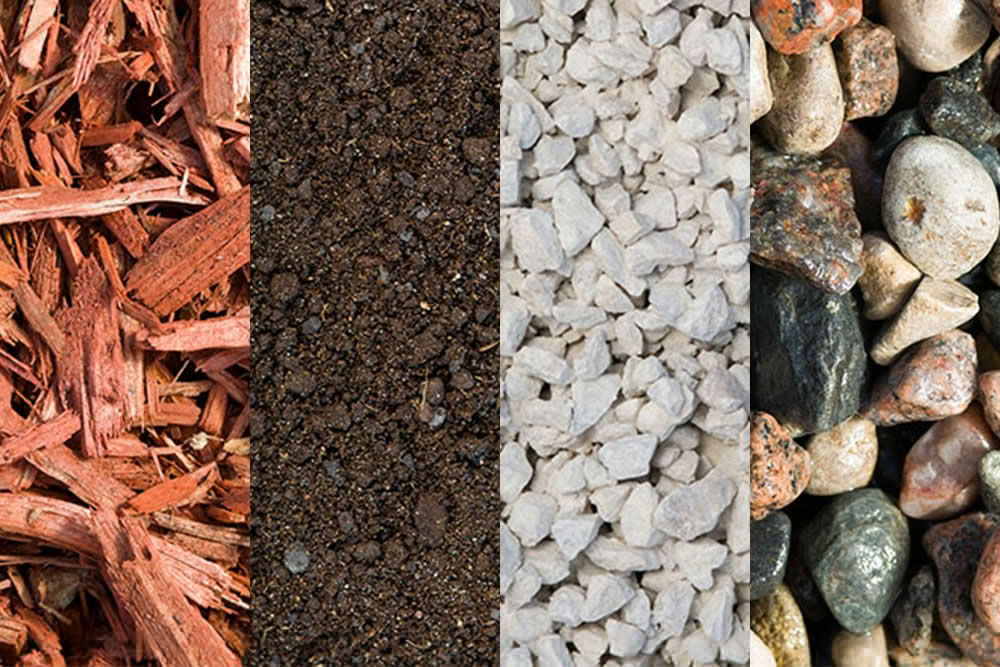
Quality landscape supply encompasses a wide range of materials, including soil, mulch, plants, stones, and hardscaping elements such as pavers and retaining walls. The right selection of these materials can significantly influence not just the visual appeal of a landscape but also its functional efficiency.
1. Soil Quality
Soil serves as the foundation for plant life and greatly impacts growth and health. High-quality soil contains essential nutrients, has the right pH balance, and supports good drainage. When selecting landscape supply, it is essential to choose soil that is suited to the specific types of plants you intend to cultivate. For example, certain plants thrive in sandy soils, while others prefer loamy or clay soils. Investing in quality soil ensures your plants receive the nutrients they need to flourish.
2. Mulching Materials
Mulch is another critical landscape supply that offers numerous benefits, including moisture retention, temperature regulation, and weed suppression. Organic mulches, such as wood chips or bark, decompose over time, enriching the soil with nutrients. Selecting the right type of mulch not only enhances the appearance of the landscape but also contributes to the overall health of the plants. Proper mulching techniques can prevent soil erosion and reduce the frequency of irrigation, creating a more sustainable landscape.
3. Plant Selection
Choosing the right plants is vital for creating a thriving landscape. Quality landscape supply offers a diverse range of plant options, allowing for careful selection based on climate, soil type, and the intended aesthetic. Native plants are particularly advantageous, as they require less maintenance and are better adapted to local environmental conditions. A well-thought-out plant selection can lead to a vibrant landscape that supports local wildlife and enhances biodiversity.
Irrigation Equipment Supply: Ensuring Efficient Water Management
Effective irrigation is essential for maintaining the health of a landscape, particularly in regions prone to drought or variable weather conditions. The right Irrigation equipment supply can help optimize water usage, ensuring that plants receive adequate hydration without waste.
1. Drip Irrigation Systems
Drip irrigation systems are among the most efficient methods for delivering water directly to the roots of plants. By minimizing evaporation and runoff, these systems reduce water waste and promote healthy growth. Drip irrigation can be tailored to the specific needs of different plants, making it a versatile choice for any landscape design. Investing in quality irrigation equipment ensures longevity and reliability, which translates to lower maintenance costs in the long run.
2. Sprinkler Systems
For larger areas or lawns, quality sprinkler systems are essential. Modern sprinkler technology offers advanced features such as timers and moisture sensors that help optimize watering schedules based on current weather conditions. This efficiency not only conserves water but also ensures that plants receive the right amount of moisture, leading to healthier growth and a more resilient landscape. When selecting irrigation equipment supply, consider systems that offer programmable features and adjustable spray patterns to maximize effectiveness.
3. Rainwater Harvesting Systems
Incorporating rainwater harvesting systems can further enhance irrigation efficiency. These systems collect and store rainwater for later use, reducing dependency on municipal water sources. Quality irrigation equipment that includes filtration and distribution components can facilitate the effective use of harvested rainwater, promoting sustainability and reducing costs.
The Importance of Maintenance and Professional Guidance
While selecting high-quality landscape supply and irrigation equipment is vital, ongoing maintenance is equally important to ensure optimal performance. Regular inspections and timely repairs can prevent small issues from becoming significant problems. Establishing a maintenance routine that includes checking for leaks in irrigation systems and replenishing mulch as needed will keep your landscape thriving.
Seeking Professional Advice
For those new to landscaping or irrigation, consulting with professionals can provide invaluable insights. Landscape architects and irrigation specialists can recommend the best materials and systems based on specific site conditions and personal preferences. They can also assist in designing a cohesive plan that maximizes the aesthetic appeal and functionality of the landscape.
Conclusion
Enhancing your landscape requires careful consideration of quality landscape supply and irrigation equipment. By investing in high-quality materials and systems, property owners can create visually appealing and sustainable outdoor spaces that thrive for years to come. From soil and mulch selection to implementing efficient irrigation techniques, each component plays a pivotal role in fostering a healthy landscape. Ultimately, the synergy between quality supplies and effective irrigation is key to achieving lasting beauty and functionality in any outdoor setting.


More Stories
Tesla’s Latest Innovation: How AI is Revolutionizing Self-Driving Cars
The Future of Industry: Top Trends Shaping 2025 and Beyond
Revolutionizing the Road: The Latest Vehicle Updates You Can’t Miss