
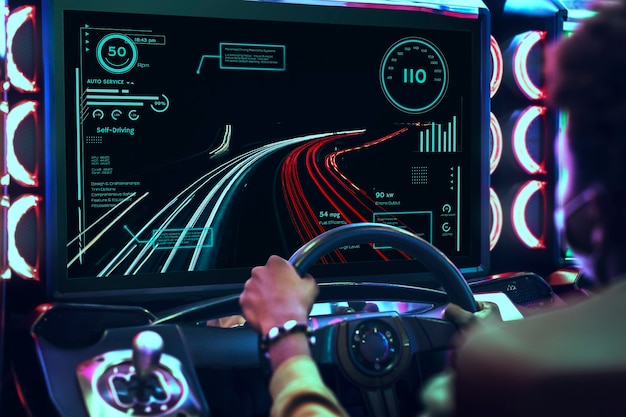
As the automotive industry accelerates into an era of unprecedented transformation, the very essence of vehicle design is being reimagined. The future of automotive design promises to be a thrilling blend of cutting-edge technology, sustainability, and aesthetics, all crafted to enhance the driving experience while meeting the evolving demands of consumers and the environment. Let’s take a closer look at the innovations in car design that are shaping this exciting future.
A Shift Towards Sustainable Materials
One of the most significant automotive design trends emerging today is the focus on sustainability. Designers are increasingly turning to eco-friendly materials to reduce the carbon footprint of vehicles. Expect to see a surge in the use of recycled metals, plant-based plastics, and organic fabrics. These materials are not only environmentally responsible but also offer new possibilities for textures and finishes that were previously unexplored. The integration of sustainable materials is a clear indication that next-gen vehicle design will prioritize the health of our planet alongside the aesthetics of the vehicle.
The Rise of Minimalism
Minimalism is making waves in next-gen vehicle design. Gone are the days of cluttered dashboards and overly complicated interfaces. The interior of future vehicles will be defined by clean lines, intuitive controls, and an overall sense of calm. This trend is driven by a desire to create spaces that are not just functional but also emotionally satisfying. The use of ambient lighting, high-quality materials, and thoughtful ergonomics will turn car interiors into serene retreats, allowing drivers to focus on the road and enjoy the journey.
Advanced Aerodynamics
As vehicles become more efficient, the role of aerodynamics in automotive design trends has never been more crucial. Designers are exploring innovative ways to reduce drag and enhance performance. This involves not only refining the shape of the vehicle but also incorporating active aerodynamic elements such as adjustable spoilers and air intakes that adapt to driving conditions. These advancements will not only improve fuel efficiency and range for electric vehicles but also contribute to a more dynamic and engaging driving experience.
The Digital Revolution: Infotainment and Beyond
The digital revolution is at the heart of innovations in car design. Modern vehicles are evolving into sophisticated digital ecosystems, with infotainment systems that offer seamless connectivity, voice control, and personalized experiences. In the future of automotive design, these systems will become even more advanced, integrating augmented reality displays, biometric authentication, and AI-driven personal assistants. These features will transform the way we interact with our cars, making driving safer, more convenient, and infinitely more enjoyable.
Autonomous Aesthetics
Autonomous driving technology is not just changing how we drive; it’s also influencing how cars are designed. With the rise of self-driving vehicles, the traditional layout of the car interior is being reconsidered. The next-gen vehicle design will likely feature adaptable interiors that can transition from a conventional driving setup to a lounge-like space for relaxation or work. Expect to see swivel seats, retractable steering wheels, and expansive touchscreens that offer passengers a completely new in-car experience.
Lighting the Way Forward
Lighting is becoming a key element in automotive design trends. Advanced LED and OLED technology allow for creative freedom in both exterior and interior lighting. In the future, expect cars to feature dynamic lighting systems that not only enhance visibility but also communicate with other road users. For example, exterior lights could change color to signal different driving modes or intentions, adding a new layer of interaction between vehicles and their surroundings.
Modular Design and Customization
The concept of modular design is set to revolutionize next-gen vehicle design. This approach allows for greater customization and flexibility, enabling manufacturers to offer a variety of body styles, powertrains, and features on a single platform. For consumers, this means the ability to tailor their vehicles to their specific needs and preferences. Modular design also has significant implications for sustainability, as it promotes the reuse and recycling of parts, reducing waste and extending the lifecycle of vehicles.
The Impact of 3D Printing
3D printing is poised to become a game-changer in innovations in car design. This technology allows for rapid prototyping and the creation of complex, lightweight structures that would be impossible to produce using traditional manufacturing methods. In the future of automotive design, 3D printing will enable more personalized and innovative designs, as well as faster production times, ultimately leading to more efficient and cost-effective vehicle manufacturing.
The Integration of AI in Design
Artificial Intelligence (AI) is increasingly being used to push the boundaries of automotive design trends. AI-driven design tools can analyze vast amounts of data to create optimized and innovative vehicle concepts. These tools allow designers to experiment with unconventional forms and materials, resulting in more creative and efficient designs. In the near future, AI will not only assist in the design process but also help in predicting consumer preferences, leading to vehicles that are not only cutting-edge but also perfectly aligned with market demands.
A New Era of Personalization
The future of automotive design is all about personalization. As technology advances, vehicles will become increasingly tailored to individual preferences, from the color and material choices to the driving dynamics and infotainment settings. This level of customization will create a deeper connection between drivers and their vehicles, making each journey a unique and personal experience.
In summary, the innovations in car design we are witnessing today are just the beginning of a revolution in how vehicles are conceived, crafted, and experienced. The future of automotive design promises to be more sustainable, more personalized, and more connected than ever before, driving us toward a new era of mobility that is as exciting as it is responsible. As these automotive design trends continue to evolve, they will undoubtedly redefine the relationship between people and their cars, creating vehicles that are not only machines but also extensions of our lifestyles and values.


More Stories
The Future of Automotive: Where Innovation Meets the Open Road
Electric Vehicles vs. Fossil Fuels: The Ultimate Road Race for the Future
Rev Up Your Ride: Unconventional Car Reviews That Go Beyond the Mileage