
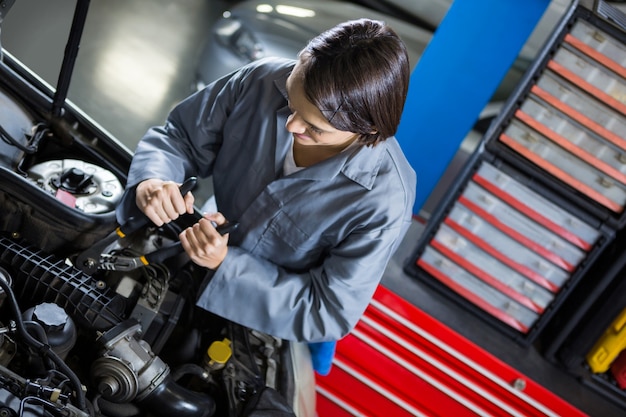
Maintaining your vehicle is crucial for ensuring its longevity and performance. A well-kept car not only runs smoother but also provides a safer driving experience and helps preserve its value. For anyone looking to master the art of vehicle upkeep, here are some tips for automotive maintenance that will lead you to success.
Regular Oil Changes
One of the most fundamental aspects of essential vehicle maintenance is keeping up with oil changes. Engine oil lubricates the moving parts within your engine, reducing friction and wear. Over time, oil breaks down and becomes less effective, so changing it at the intervals recommended by your vehicle’s manufacturer is crucial. Typically, this is every 3,000 to 7,000 miles, depending on your driving habits and the type of oil used. Regular oil changes are a cornerstone of successful car care tips and ensure that your engine remains in top condition.
Check and Replace Air Filters
Air filters play a significant role in maintaining engine efficiency. They trap dirt and debris before it can enter the engine, ensuring that only clean air mixes with the fuel. A clogged air filter can lead to reduced performance and increased fuel consumption. Automotive maintenance strategies suggest checking the air filter every 12,000 to 15,000 miles and replacing it as needed. This simple task can make a noticeable difference in your car’s overall performance.
Keep an Eye on Fluid Levels
Your car’s engine relies on various fluids to operate correctly, including coolant, brake fluid, power steering fluid, and transmission fluid. Successful car care tips include regularly checking these fluids and topping them off when necessary. Low fluid levels can lead to overheating, brake failure, or transmission issues, so maintaining proper levels is essential for the smooth operation of your vehicle. Pay attention to your car’s dashboard warning lights as they often signal when a fluid needs attention.
Maintain Proper Tire Care
Tire maintenance is another critical aspect of essential vehicle maintenance. Regularly check your tire pressure and ensure it is at the level recommended by the manufacturer. Under-inflated tires can decrease fuel efficiency and cause uneven wear, while over-inflated tires can lead to reduced traction and increased risk of a blowout. Additionally, rotating your tires every 6,000 to 8,000 miles helps ensure even wear and extends their lifespan. Proper tire care is a fundamental part of automotive maintenance strategies.
Regularly Inspect Brakes
Brakes are one of the most crucial safety components of your vehicle. Regularly inspect the brake pads and discs for wear and tear. If you notice any squeaking, grinding, or reduced responsiveness, it’s time to have them checked by a professional. Tips for automotive maintenance include having your brakes inspected every 10,000 to 15,000 miles to ensure they remain in good working order.
Keep Your Battery in Check
A reliable battery is essential for starting your vehicle and powering its electrical systems. Inspect your battery terminals for corrosion and clean them if necessary. Also, ensure that the battery is securely mounted and has no signs of leaks or damage. Successful car care tips include having your battery tested annually, especially if it’s more than three years old. This can help prevent unexpected breakdowns and ensure that your battery is always ready to go.
Follow the Manufacturer’s Maintenance Schedule
One of the most effective automotive maintenance strategies is to adhere to the maintenance schedule provided by your vehicle’s manufacturer. This schedule outlines when specific services should be performed, such as timing belt replacements, transmission fluid changes, and more. Following this schedule helps address potential issues before they become major problems and ensures that your car remains in optimal condition.
Clean and Protect Your Car’s Exterior
Regular washing and waxing not only keep your car looking great but also protect its paint and finish from environmental damage. Dirt, salt, and UV rays can damage the paint over time, leading to rust and deterioration. Essential vehicle maintenance includes washing your car every few weeks and applying a wax coating every three to six months to safeguard the exterior and maintain its shine.
Address Issues Promptly
Ignoring minor issues can lead to more significant problems down the road. If you notice unusual noises, vibrations, or warning lights, address them promptly. Automotive maintenance strategies emphasize the importance of early intervention to prevent minor issues from escalating into costly repairs. Regularly paying attention to your vehicle’s performance and addressing problems as they arise can save you both time and money.
Conclusion
Mastering the art of vehicle upkeep requires a blend of routine maintenance and proactive care. By following these tips for automotive maintenance, you can ensure that your car remains in excellent condition, providing reliable performance and safety. Incorporating these practices into your regular car care routine will help you achieve successful car care and enjoy the benefits of a well-maintained vehicle. Embrace these essential vehicle maintenance strategies, and your car will thank you with smooth, trouble-free drives.


More Stories
The Future of Driving: How AI is Revolutionizing Your Car
Revolutionizing the Road: Honest Takes on the Hottest Vehicles of 2024
The Ultimate Guide to Stress-Free Car Maintenance