
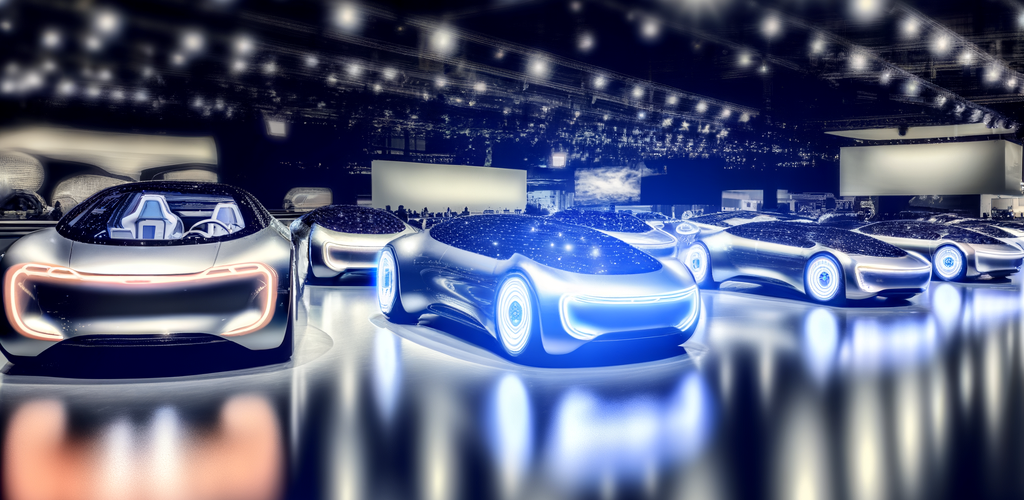
The automotive industry is a dynamic landscape, constantly evolving to meet the needs and desires of consumers worldwide. As we navigate through 2024, several Top Automotive Market Shifts and Current Auto Trends are shaping the future of driving. These developments reflect not only technological advancements but also changing consumer preferences and global economic influences. In this article, we’ll explore the most significant Market Changes in Automotive and how they are impacting the industry.
The Electric Surge: A Revolution on Wheels
One of the most profound Automotive Trends and Shifts is the rapid adoption of electric vehicles (EVs). This shift isn’t just about reducing emissions; it’s about reimagining what vehicles can be. With governments around the world setting ambitious targets for carbon neutrality, automakers are accelerating their transition to electric powertrains. The demand for EVs is skyrocketing, fueled by innovations in battery technology that promise longer ranges, faster charging times, and lower costs.
Companies like Tesla, Rivian, and Lucid Motors are leading this charge, but traditional automakers are not far behind. Ford’s F-150 Lightning and GM’s Hummer EV are clear indications that even the most iconic gas-guzzlers are getting an electric makeover. The Top Automotive Market Shifts show a clear trend: the internal combustion engine’s dominance is waning, and the age of electric mobility is upon us.
Autonomous Vehicles: The Road to Self-Driving
Autonomous driving technology has been a topic of fascination and speculation for years, but it’s now becoming a tangible reality. The Current Auto Trends indicate that more vehicles are being equipped with advanced driver-assistance systems (ADAS), moving us closer to fully autonomous driving. Companies like Tesla, Waymo, and Cruise are at the forefront, testing and refining their self-driving technologies on public roads.
However, this market shift is not without its challenges. Regulatory hurdles, safety concerns, and the need for robust infrastructure are significant barriers to widespread adoption. Yet, the momentum is undeniable. Consumers are increasingly comfortable with features like adaptive cruise control, lane-keeping assist, and automated parking, which are becoming standard in many new models. The Market Changes in Automotive suggest that within the next decade, we could see a significant number of vehicles on the road with autonomous capabilities, fundamentally changing how we think about driving.
Connectivity and Smart Cars: The Internet on Wheels
As vehicles become more advanced, connectivity is no longer a luxury but a necessity. The integration of 5G technology into vehicles is one of the most exciting Automotive Trends and Shifts of 2024. This trend enables faster data transfer, improved real-time navigation, and enhanced vehicle-to-everything (V2X) communication. Smart cars, equipped with Internet of Things (IoT) technology, can now communicate with each other, traffic lights, and even your home.
This connectivity offers numerous benefits, from predictive maintenance alerts to personalized in-car experiences. Automakers are also exploring new business models around this connectivity, such as subscription services for software updates, infotainment, and advanced features. The Top Automotive Market Shifts reveal that cars are becoming more than just a means of transportation; they are evolving into digital platforms on wheels.
Sustainability: Beyond the Electric Vehicle
While electric vehicles are at the forefront of sustainable innovation, Market Changes in Automotive are pushing the industry to look beyond just electric powertrains. Sustainability is now a holistic approach that includes the entire lifecycle of the vehicle. Automakers are increasingly focusing on sourcing sustainable materials, reducing manufacturing emissions, and promoting recyclability.
For instance, BMW has committed to using recycled and bio-based materials in its new models, aiming to reduce the carbon footprint of each vehicle by up to 40% by 2030. Volvo, on the other hand, has introduced a new range of electric cars that are not only zero-emission but also use sustainable materials like wool, flax, and recycled plastics. These Current Auto Trends show that the industry is taking significant steps to address environmental concerns, making sustainability a core value rather than an afterthought.
Shifts in Consumer Preferences: The Rise of the SUV and Crossover
In terms of vehicle types, one of the most noticeable Automotive Trends and Shifts is the growing popularity of SUVs and crossovers. Despite the push for more sustainable transportation options, consumers around the world are gravitating towards larger vehicles. This trend is driven by the perception of safety, comfort, and the versatility that SUVs offer.
Manufacturers have responded to this demand by expanding their lineup of SUVs and crossovers, including electric variants. For instance, Volkswagen’s ID.4 and Nissan’s Ariya are electric SUVs that cater to this growing segment. Even luxury brands like Aston Martin and Maserati have jumped on the SUV bandwagon with models like the DBX and Levante, respectively. The Top Automotive Market Shifts indicate that while the industry is evolving, consumer preferences for vehicle size and style remain a significant driving force.
The Future of Mobility: Shared and Subscription-Based Models
Finally, one of the most forward-looking Current Auto Trends is the shift towards shared and subscription-based mobility. Traditional car ownership is being challenged by new models of mobility, including car-sharing services, ride-hailing apps, and vehicle subscription services. Companies like Zipcar, Turo, and even some automakers are offering alternatives to ownership that cater to urban dwellers and those who prefer flexibility over commitment.
This trend reflects a broader shift in consumer behavior, where access is valued more than ownership. It also aligns with urbanization trends and the growing focus on reducing congestion and emissions in city centers. As these Market Changes in Automotive continue to develop, we can expect to see a more diverse and flexible mobility landscape.
Conclusion
The automotive industry is in the midst of a profound transformation. The Top Automotive Market Shifts and Current Auto Trends highlighted here are just a snapshot of the broader changes taking place. From the rise of electric and autonomous vehicles to the increasing importance of connectivity and sustainability, these Automotive Trends and Shifts are driving the industry towards a future that is more innovative, efficient, and responsive to the needs of consumers and the planet. As we move forward, these trends will continue to shape the road ahead, offering both challenges and opportunities for all stakeholders in the automotive world.


More Stories
Tesla’s Latest Innovation: How AI is Revolutionizing Self-Driving Cars
The Future of Industry: Top Trends Shaping 2025 and Beyond
Revolutionizing the Road: The Latest Vehicle Updates You Can’t Miss