
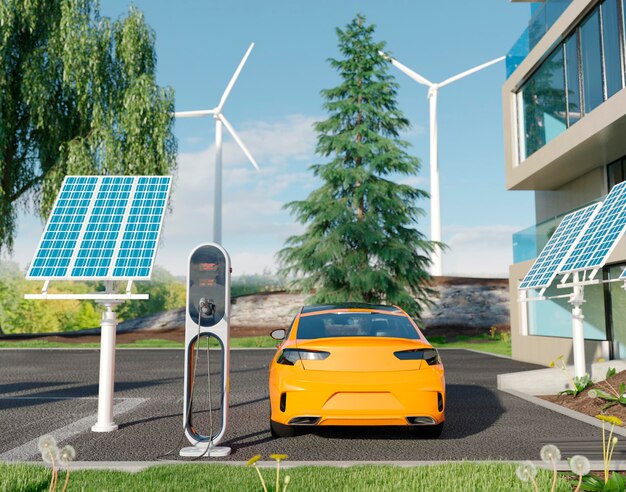
The automotive world is experiencing a transformative shift with the rise of electric vehicles (EVs). This change is not just a trend but a significant evolution driven by technological advancements, environmental concerns, and shifting consumer preferences. As the future of electric cars unfolds, it is crucial to understand the factors contributing to this momentum and what it means for the automotive industry.
The Driving Forces Behind EV Growth
The EV growth in automotive is fueled by several key factors. First and foremost is the global push for sustainability. As awareness of climate change and air pollution increases, both governments and consumers are seeking greener alternatives to traditional internal combustion engines. Electric vehicles, with their zero tailpipe emissions, are seen as a pivotal solution in reducing the carbon footprint of personal transportation.
Government policies and incentives also play a crucial role. Many countries offer subsidies, tax credits, and rebates to encourage the adoption of electric vehicles. These incentives make EVs more financially attractive, lowering the barrier to entry for consumers. Additionally, stricter emissions regulations are compelling manufacturers to accelerate their development of electric models to meet compliance standards.
Technological Advancements Driving the Change
The rise of electric vehicles is closely linked to rapid technological advancements. Battery technology, in particular, has seen significant improvements. Modern lithium-ion batteries offer greater energy density, longer range, and faster charging times than ever before. These advancements address some of the major concerns that potential EV buyers have, such as range anxiety and lengthy recharging periods.
Moreover, innovations in charging infrastructure are supporting the electric vehicle trends. The expansion of fast-charging networks and the development of home charging solutions are making it increasingly convenient for consumers to switch to electric. Companies and governments alike are investing heavily in building a robust and widespread charging network, which is crucial for the widespread adoption of EVs.
The Expanding EV Market
The future of electric cars is bright, with a growing number of manufacturers entering the market. Traditional automakers are increasingly investing in electric models, reflecting a broader industry shift towards electrification. Companies that were once solely focused on internal combustion engines are now unveiling their electric vehicle portfolios, demonstrating a commitment to staying competitive in the evolving market.
New entrants, particularly startups, are also making significant strides in the EV space. These companies are often at the forefront of innovation, pushing the boundaries of what electric vehicles can achieve. They bring fresh perspectives and disruptive technologies that challenge established norms and drive the industry forward.
Consumer Adoption and Market Trends
As electric vehicles become more mainstream, consumer attitudes are shifting. The perception of EVs has evolved from niche and experimental to practical and desirable. Today’s consumers are increasingly aware of the benefits of electric vehicles, including lower running costs, reduced environmental impact, and advanced technology features.
In response to growing demand, automakers are offering a wider range of electric vehicles to suit various needs and preferences. From affordable compact cars to luxurious high-performance models, the EV growth in automotive is characterized by diversity. This variety ensures that there is an electric vehicle to match nearly every lifestyle and budget, further driving adoption.
Challenges and Future Outlook
Despite the exciting developments, the transition to electric vehicles is not without its challenges. One of the primary hurdles is the need for further advancements in battery technology to achieve longer ranges and faster charging times. Continued research and development are essential to overcoming these limitations and making EVs even more practical for everyday use.
Additionally, the supply chain for raw materials used in batteries, such as lithium and cobalt, is a concern. Ensuring a sustainable and ethical supply of these materials is crucial for the long-term viability of electric vehicles. The industry is exploring alternative materials and recycling methods to address these challenges.
The future of electric cars also depends on the continued expansion of charging infrastructure. While progress is being made, ensuring that charging stations are accessible and conveniently located is essential for widespread adoption. As the network grows and technology improves, these issues will likely become less of a barrier.
The Road Ahead
The rise of electric vehicles represents a pivotal moment in the automotive industry. Driven by technological advancements, environmental imperatives, and evolving consumer preferences, electric vehicles are set to become an integral part of our transportation landscape. The electric vehicle trends of today are paving the way for a more sustainable and innovative future in automotive design.
As we look ahead, it is clear that the transition to electric vehicles will continue to accelerate. With ongoing advancements in technology, expanding infrastructure, and a growing array of choices for consumers, the EV growth in automotive is not just a trend but a significant evolution. Embracing this change will not only help address pressing environmental issues but also redefine the way we think about and experience mobility.


More Stories
The Future of Automotive: Where Innovation Meets the Open Road
Electric Vehicles vs. Fossil Fuels: The Ultimate Road Race for the Future
Rev Up Your Ride: Unconventional Car Reviews That Go Beyond the Mileage